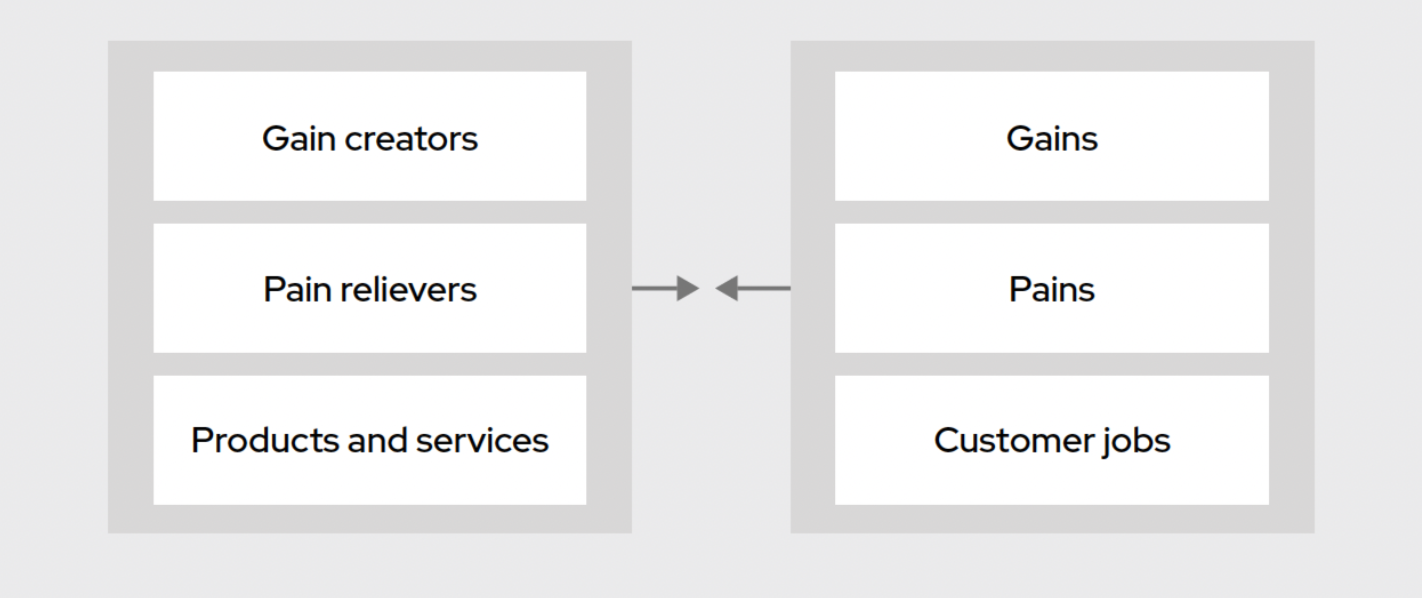
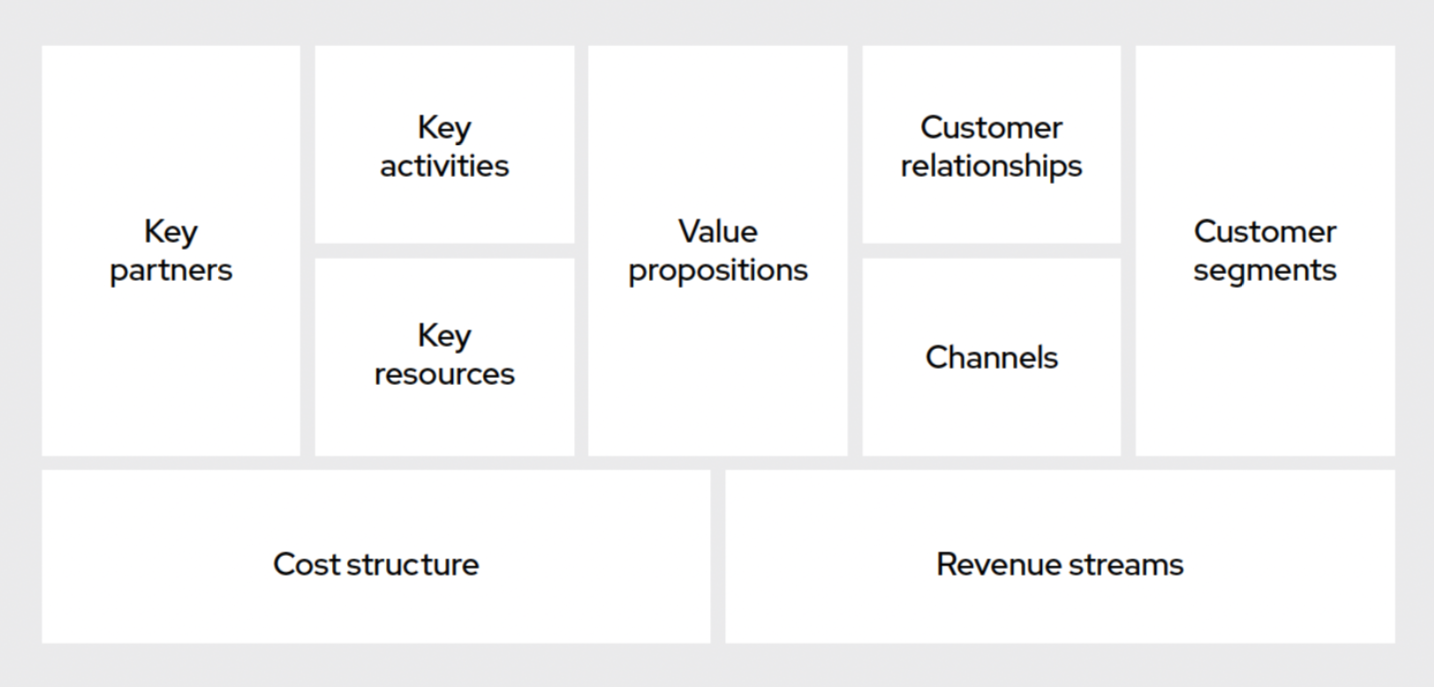
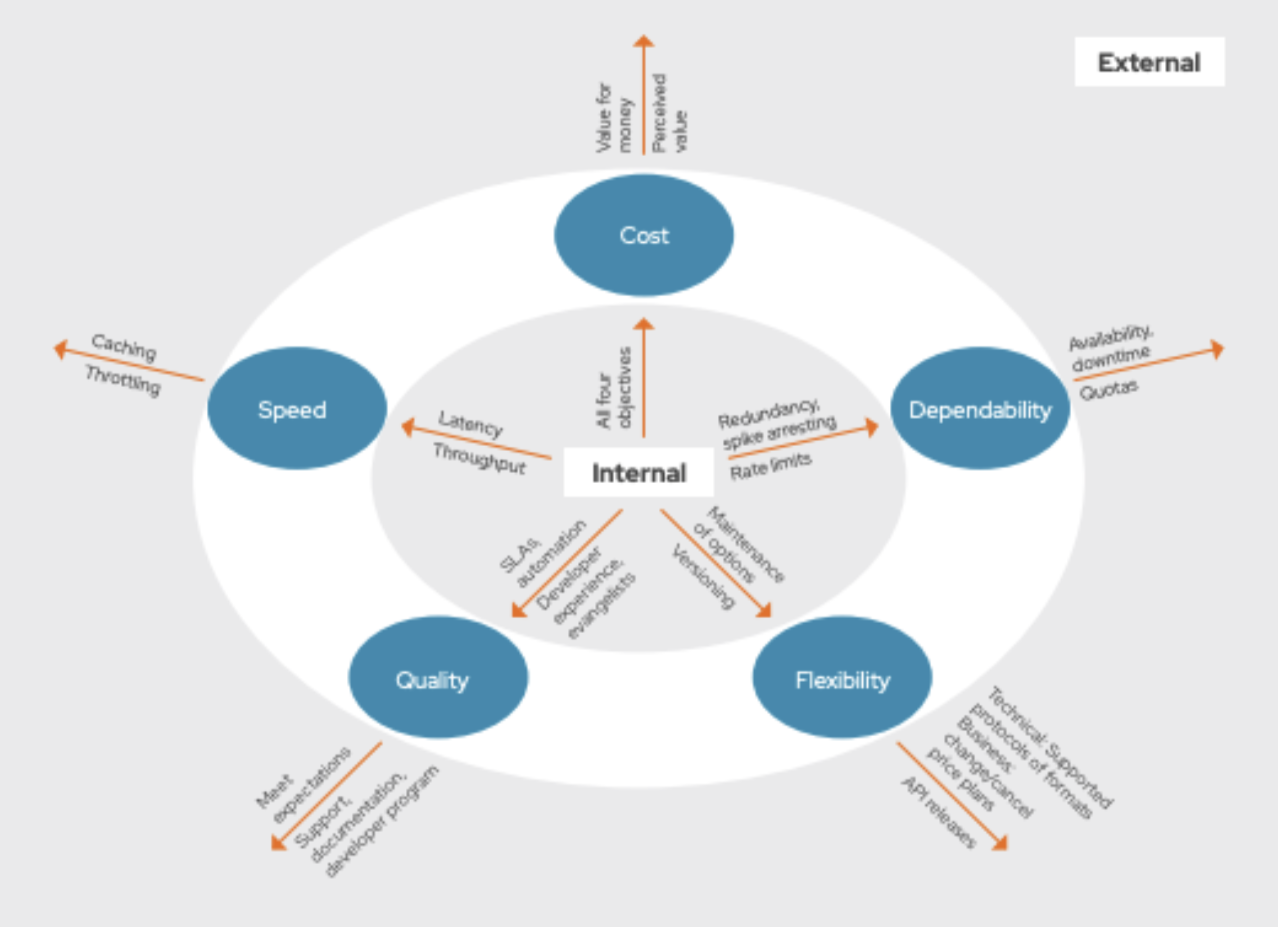
A comprehensive understanding of their value and purpose is essential when considering APIs. Avoiding common misconceptions is crucial to maximize their potential business value. A prevalent misconception is that APIs are valuable only if users pay for them, which holds true when the API is the product. However, many API projects remain internal, generating diverse metrics like speed to market, reusability, sales, brand awareness, or affiliate referrals.
5 typical API provider use cases include:
- Scaling omnichannel. Extend accessibility through diverse channels like mobile apps, internet of things etc.
- Growing your ecosystem. Foster customer or partner ecosystems for expansion.
- Expanding your reach. Establish broad transaction or content distribution networks.
- Powering new business models. Drive innovation through novel business models.
- Generating internal innovation. Generate innovation within the organization.
Many examples of successful API strategies can be found in modern technology companies, including Amazon, Salesforce, Twilio, and others. But that does not mean that only these leading technology companies can use APIs for monetization, innovation, partnership growth, or agility. Many well-established enterprises have a lot of legacy systems, which will not disappear overnight (probably never). APIs are the perfect glue to integrate with these legacy systems, expose them internally or externally and mash them up with other services to create new value. Any business on a digital transformation journey can tap into the advantages of the API economy by implementing a well-structured API strategy.
This “why” clearly needs to be strong enough that the decision to invest in APIs is an obvious choice for the organization.
Who do we expect to use these APIs?
Understanding who your API end users are will help define your API program success metrics.
- Internal end users. APIs can be used by internal teams to access company information for any number of business objectives.
- External end users. The same APIs or a subset can be used by external third-party developers in their applications.
While the end-user type may vary or include a mix of internal and external clients, it is critical to provide the same level of documentation, support, and communication to both groups.
What concrete outcomes do we want to achieve with these APIs?
To identify concrete outcomes driven by APIs, consider internal and external organizational views:
- Internal view. Use your unique and valuable assets. Organizations possessing distinctive data, like Meta’s "likes" data, can offer valuable APIs.
- External view. Consider market dynamics, trends, competitors, and customer behaviors. External forces shape business strategies and influence API functionalities.
Market dynamics profoundly affect mapping APIs. Early mapping companies overlooked real-time demands, helping startups like Waze to flourish. Google acquired Waze, integrating its technology into a successful API. Twitter, Reddit, and other giants also embraced APIs for innovation and ecosystem growth.
The right API strategy frequently combines internal assets with external market insights.
How do we plan to execute the API program to achieve that?
The final question, “How do we design the API program to achieve what we want?” is about implementation and execution, which requires meticulous planning of:
- Technological choices. Determine the technology stack for building APIs.
- Design and maintenance. Devise API design and maintenance strategies.
- Promotion and marketing. Promote APIs within the organization and market them externally.
- Resource allocation. Allocate necessary resources for API development and maintenance.
- Team composition. Assemble a capable team for API development and management.
- Developer community. Creating and maintaining a dedicated communication plan for external and internal developers.
- Success metrics. Establish methods to track success against business objectives.
By demystifying the "why," "who," “what,” and "how" of APIs, organizations can boost innovation and growth in the evolving API economy. The answers to these questions will differ for each organization and will be influenced by your goals, the strategy you deploy, and also, of critical importance: the API team.
The API team
An API team is typically structured like any other product team. Whether your customers are internal or external, the API team is responsible for building, deploying, operating, and optimizing the infrastructure others depend on.
Just like product teams, API teams can also be diverse. Teams should include a product-centric person who acts as the keeper of strategy and goals, design-focused team members who ensure best practices in API design, engineers who code API technology, and operations folks who ultimately run the API. Over time, you may also have others involved, including support and community team members, API evangelists, and security representatives. Your extended API team could also include members of your developer community.
While this team could be a large number of people, some individuals may wear many hats, especially in smaller organizations. It is important to ensure that all stakeholder opinions are represented, even if that consists of having a team member check in on their concerns.
In many cases, API teams are formed temporarily and may belong to different organizational units with different line managers. This structure can make defining a shared vision for the API particularly challenging. For large API programs, different API teams may have to collaborate.
No matter the size of your organization, the 7 best practices described in this book will help establish a successful API team , and it may end up including more people than you think.